The 2025 Chinese New Year, which began on January 29, 2025, marked the arrival of the Wood Snake, a year defined by the harmonious integration of the Snake's wisdom with the growth-oriented qualities of the Wood element. Understanding the cultural significance of this cycle involves exploring the symbolic characteristics of the Snake, the properties of the Wood element, and the traditional practices maintained by families to invite prosperity, longevity, and stability during this specific lunar cycle.
The Symbolic Power of the Wood Snake
In the Chinese zodiac, the Snake is the sixth animal in the twelve-year cycle, representing intuition, introspection, and strategic planning. Unlike other signs that may prioritize overt action, the Snake is associated with grace, poise, and the ability to navigate complex situations with minimal effort. When combined with the Wood element—which governs spring, expansion, and development—the Wood Snake year is traditionally viewed as a period of steady advancement rather than volatile upheaval.
The pairing of these influences creates a year centered on quiet calculation and structured growth. In Chinese cosmology, Wood provides the "roots" for the Snake's strategic nature, suggesting that initiatives begun during this time should be grounded in long-term planning. Practitioners of traditional Chinese culture often view this year as an ideal cycle for academic pursuits, professional development, and the solidification of personal relationships.
The Role of Elements in the Lunar Calendar
The Chinese calendar is governed by a complex sexagenary cycle—a sixty-year system that rotates through twelve animals and five elements: Wood, Fire, Earth, Metal, and Water. Each element influences the temperament of the zodiac animal it governs.
- Wood: Symbolizes creativity, vitality, and upward mobility. It is the element of spring and morning.
- Snake: Represents deep intelligence, adaptability, and the capacity for transformation.
When these combine, the Wood Snake is characterized by a "soft" intelligence. It encourages individuals to adopt a flexible approach to problem-solving. While a Metal Snake might be rigid and decisive, the Wood Snake is often associated with adaptability. This distinction is vital for those who observe the year’s trends, as it informs how one might approach financial planning, household management, or personal health choices throughout the period.
Traditional Observances and Preparations
The celebration of the lunar year is rooted in the belief that the start of the cycle dictates the energy of the coming months. Preparations for the Wood Snake year involve a series of intentional acts designed to purge the "old" energy of the previous year and welcome new opportunities.
1. House Cleansing and Decoration
Before the arrival of the new year, it is customary to thoroughly clean the home. This ritual is meant to sweep away lingering misfortune and clear physical space for good luck. Following the cleaning, decorations are displayed. For the Wood Snake, items that emphasize nature—such as bamboo, flowering plants, or shades of green and wood-toned decor—are particularly auspicious.
2. Traditional Foods and Symbolism
Food plays a critical role in the celebration, with each dish carrying a symbolic meaning. During the Wood Snake year, families focus on dishes that promote growth and "long life."
- Noodles: Served long and unbroken to symbolize longevity.
- Whole Fish: Representing abundance, as the word for "fish" (yú) sounds like the word for "surplus."
- Green Vegetables: Given the Wood element association, fresh, leafy greens are emphasized to represent vitality and renewal.
Essential Practices for Navigating the Year
While the year 2025 has passed, the principles established during the Wood Snake period remain relevant for those reviewing their progress or historical records. The following table outlines the traditional focus areas and the corresponding symbolic actions taken to maximize success during this specific cycle.
| Area of Focus | Traditional Approach | Symbolic Element |
|---|---|---|
| Professional Growth | Strategic planning and long-term investment | Wood (Growth) |
| Personal Health | Flexibility exercises and mindfulness | Snake (Introspection) |
| Domestic Life | Orderly environment and green accents | Wood (Harmony) |
| Social Relations | Careful communication and listening | Snake (Intuition) |
Intellectual and Spiritual Strategy
The Wood Snake is often considered an "intellectual" year. In classical texts, the Snake is associated with the scholar or the sage—someone who observes from the periphery before acting. During this cycle, traditional advice emphasizes the value of silence and reflection. Rather than seeking immediate results, the year favors those who build their foundations quietly.
This mindset extends to personal conflict resolution. The Wood Snake’s energy suggests that direct confrontation is less effective than diplomatic, nuanced communication. By adopting a "coiled" approach—waiting for the right moment to act—individuals are believed to navigate challenges with greater efficacy.
Seasonal Alignment and Timing
The Chinese lunar calendar is strictly tied to the cycles of the moon and the position of the sun. The Wood Snake year, while beginning in late January, follows the solar terms of the agricultural calendar. These terms provide a blueprint for when to plant, when to harvest, and when to pause.
For those adhering to these traditional rhythms, the early spring months of the Wood Snake year were considered the most fertile for initiating new projects. As the year progresses, the energy shifts toward consolidation. Understanding these shifts helps practitioners align their personal goals with the broader seasonal movements, ensuring that they are not "fighting the current" of the lunar cycle.
Common Misconceptions
It is a frequent error to view the Snake sign as purely "cunning" or "dangerous." In the context of Chinese folklore, the Snake is frequently referred to as a "Little Dragon." It shares much of the Dragon's auspicious nature but with a more grounded, terrestrial presence. Dispelling the myth that the Snake year is unlucky is a priority for cultural educators. The Wood Snake, specifically, is a year that rewards those who are prepared, organized, and willing to embrace change through subtle, continuous improvement rather than radical, disruptive shifts.
Frequently Asked Questions
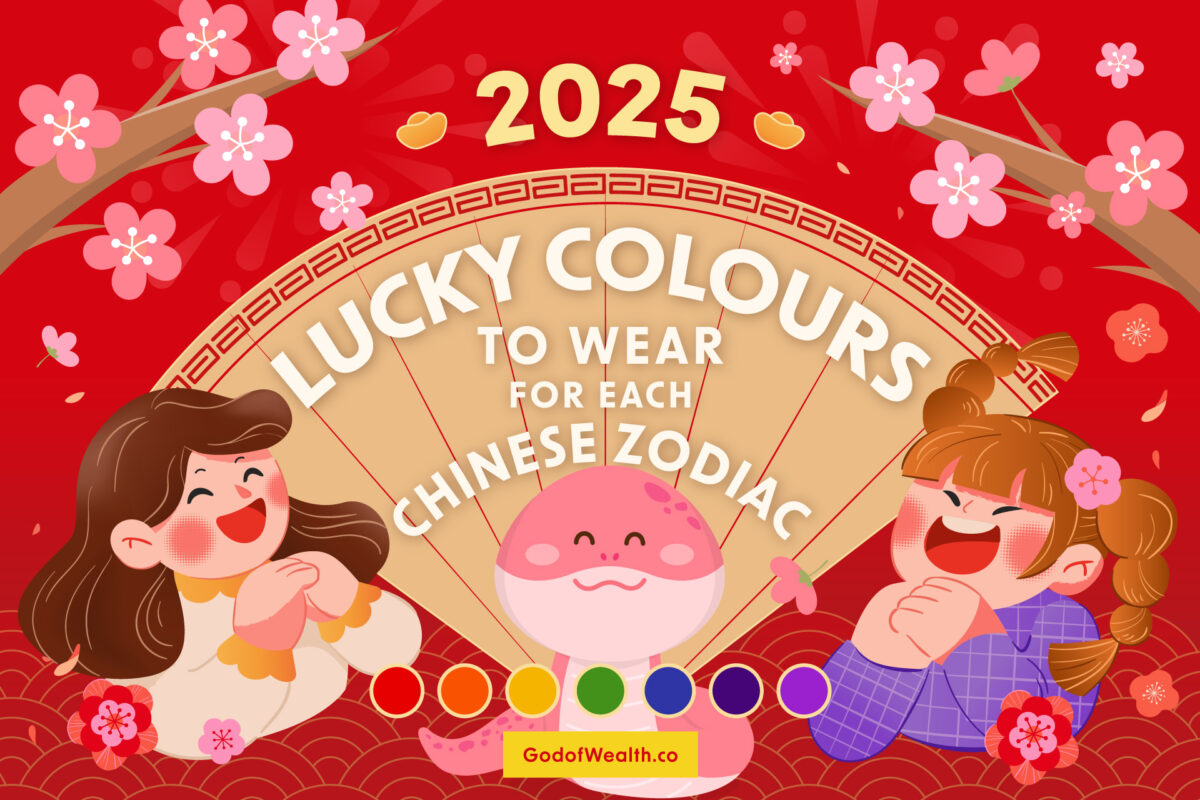
What are the primary colors associated with the Wood Snake? The primary colors are shades of green and brown, representing the Wood element. Incorporating these colors into one's attire or environment is traditionally thought to harmonize with the year's energy.
Does the Wood Snake year have specific financial implications? Traditionally, the Wood Snake is viewed as a year for conservative, steady investment. Because the Snake is associated with hidden knowledge and the Wood element with steady growth, speculative, high-risk ventures are often viewed with caution in traditional advice.
How does the Wood element affect the personality of the Snake? The Wood element softens the intensity of the Snake, making individuals more cooperative, communicative, and interested in community growth compared to other elemental variations of the sign.
Are there specific taboos during the Year of the Snake? Common taboos include cutting one's hair at the very start of the year (as it is thought to cut off luck) and using harsh, aggressive language during the initial festive period. The focus remains on maintenance, patience, and keeping a balanced, calm demeanor.
Conclusion and Practical Recommendations
To honor the principles of the Wood Snake year in retrospect or for future cycle planning, focus on the virtues of patience and deliberate development. If you are reviewing the successes or challenges encountered during the 2025 period, assess them through the lens of how well you balanced personal intuition with external growth. Moving forward, the most effective strategy remains the one practiced during this year: prioritize quality over speed, foster quiet growth, and remain flexible in the face of inevitable environmental shifts.