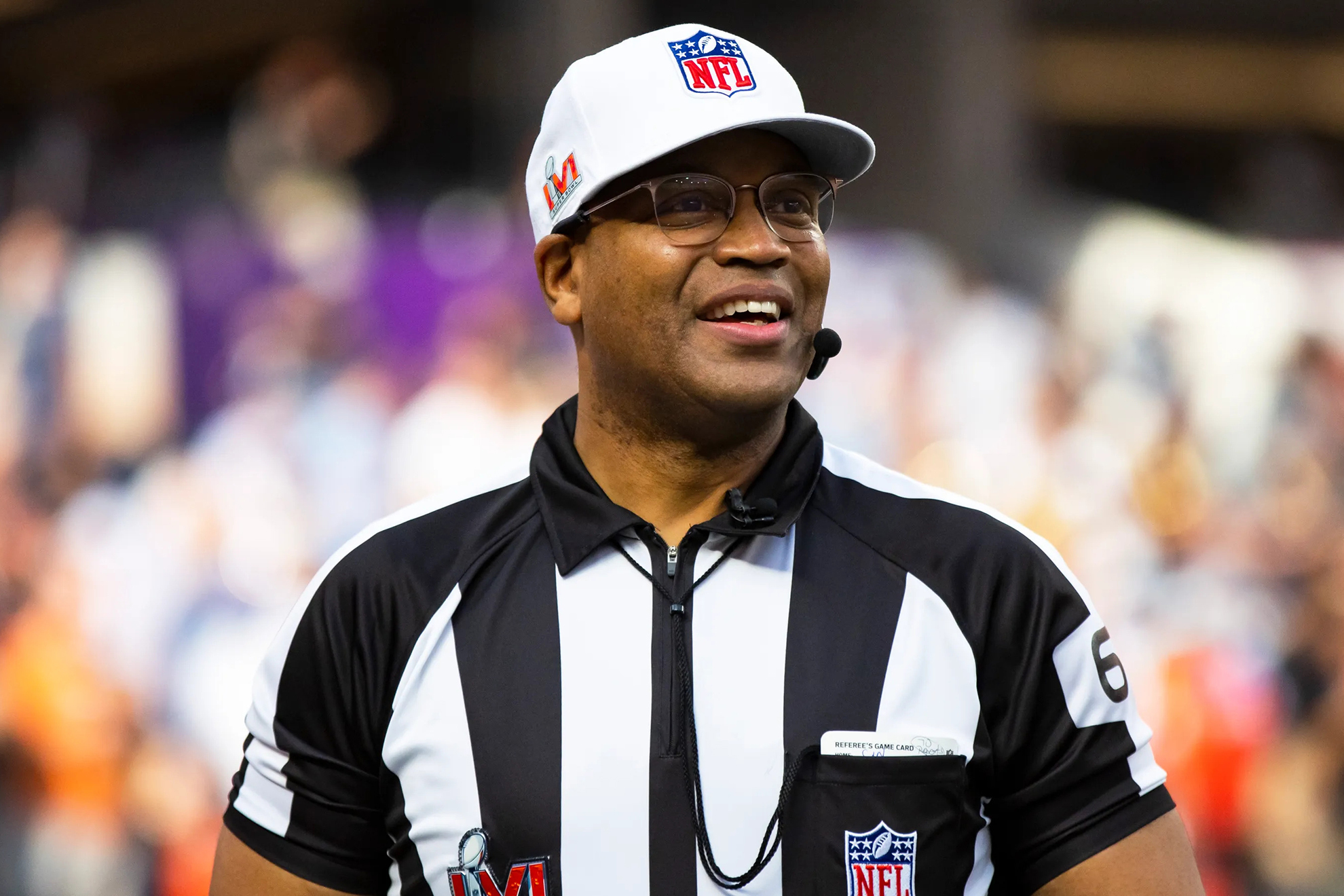
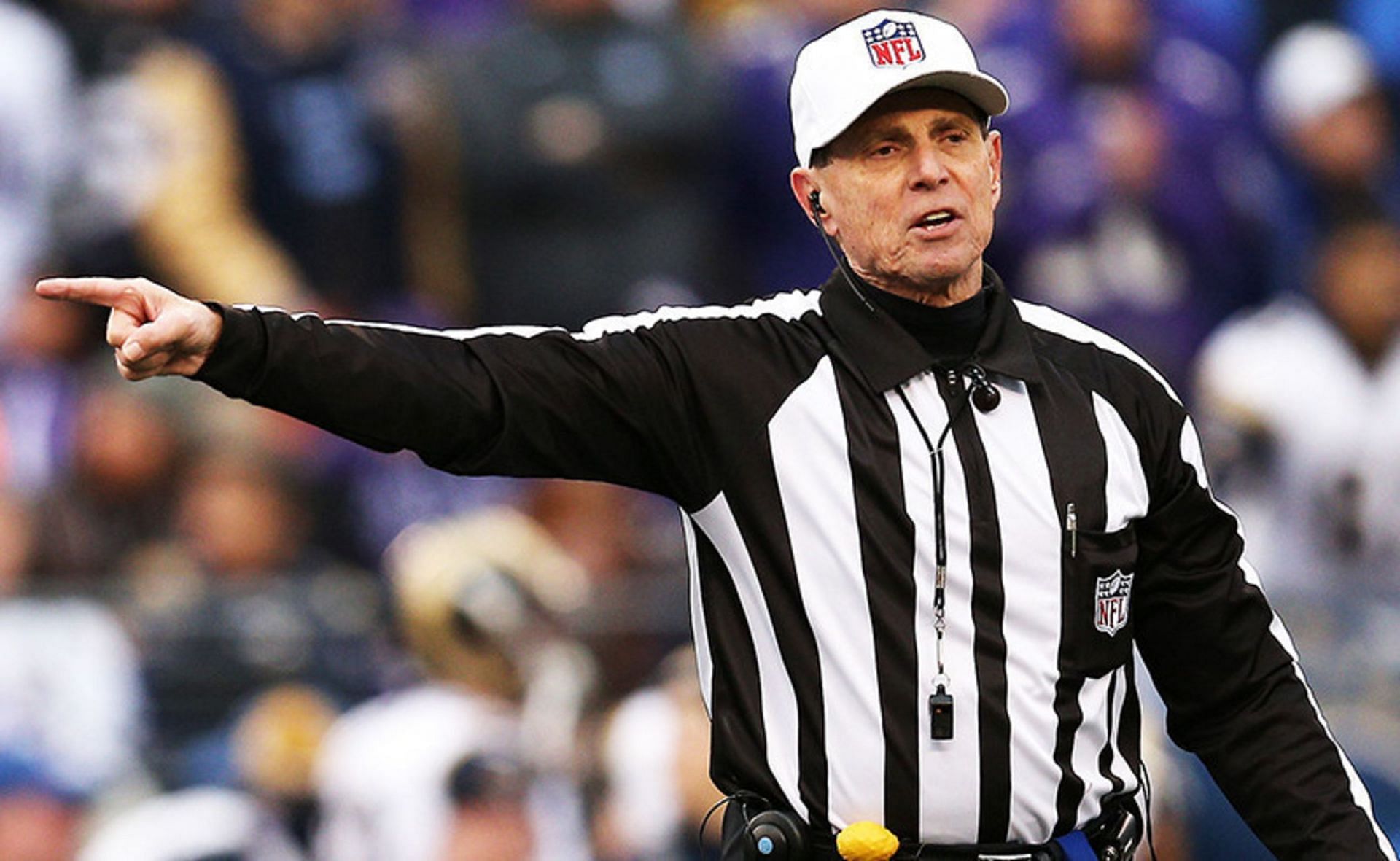
NFL referees earn an average base salary of approximately $205,000 to $250,000 per year, with total compensation scaling higher based on postseason assignments, experience, and specialized crew roles. While officiating is not a full-time job in the traditional 9-to-5 sense, the financial remuneration reflects the elite nature of the position and the intense pressure associated with managing professional football games.
The Anatomy of NFL Officiating Compensation
Understanding the financial realities of professional football officiating requires looking past simple base salary figures. The National Football League employs roughly 120 on-field officials across various positions, including referees, umpires, down judges, line judges, side judges, field judges, and back judges. All of these officials operate under a collective bargaining agreement negotiated between the league and the NFL Officiating Association (NFLOA).
Historically, the pay structure for these professionals underwent a massive shift. Prior to 2017, most NFL officials worked part-time jobs during the week, practicing law, running businesses, or working in corporate America while flying out to officiate games on weekends. As the game grew into a multi-billion-dollar enterprise, scrutiny over blown calls and the speed of modern play led the league to transition a select group of officials into full-time employment status. By the 2024 season, the economic model combined guaranteed base compensation with game-day fees, performance bonuses, and postseason incentives.
Full-Time vs. Part-Time Status in the Officiating Ranks
Not every official on an NFL crew works for the league year-round. The financial structure distinguishes between full-time staff and part-time contractors.
Full-Time Officials
The NFL employs a core group of full-time officials—often numbering around 25 to 30 individuals—who receive a steady annual salary. These individuals do not merely show up on Sundays; their work year spans from the spring evaluation camps and rookie minicamps through training camps, the regular season, and rigorous weekly film study. Their compensation package includes health insurance, retirement contributions, and a stable base pay that is not entirely dependent on weekly game assignments.
Part-Time Officials
The majority of the officiating crew members operate on a game-check basis. While they earn substantial per-game fees during the 18-week regular season, their annual income fluctuates based on whether they are assigned games consistently throughout the year. Part-time officials maintain primary careers outside of football, treating NFL officiating as an elite, highly lucrative secondary occupation.
Breakdown of the Pay Scale Structure
The financial compensation for an NFL referee or crew member is composed of several distinct revenue streams.
Base Salary and Game Fees
For full-time officials, the base salary anchors their yearly earnings. For part-time officials, earnings are calculated per game. In the current era of professional sports economics, a typical NFL official earns an average of roughly $205,000 to $250,000 per year. Top-tier referees—the crew chiefs who wear the white hats and make final announcements on penalty enforcement—command the highest end of this scale, while specialized position judges fall along a sliding scale based on tenure and performance evaluations.
Postseason Bonuses
Officiating the regular season is only part of the financial equation. Postseason assignments represent a significant financial windfall for NFL officials. Because only the highest-graded officials are selected to work playoff games, the financial incentive aligns with superior performance.
- Wild Card Round: Officials receive a substantial flat fee for working opening-round playoff games.
- Divisional Round: Pay increases incrementally for the second tier of the postseason.
- Conference Championships: Officiating a conference title game yields even higher payouts.
- The Super Bowl: Working the ultimate game of the season is both a career pinnacle and a lucrative payday, with Super Bowl assignments carrying bonuses that can equal a significant fraction of an official's regular-season earnings.
| Officiating Role / Level | Estimated Annual Range / Compensation Type | Primary Responsibilities |
|---|---|---|
| Referees (Crew Chiefs) | $205,000 – $250,000+ base | Overall game management, coin toss, penalty announcements, final authority on rule applications. |
| Position Judges (Umpires, Down Judges, etc.) | Sliding scale based on tenure | Monitoring line of scrimmage, tracking downs, watching specific player matchups and holding infractions. |
| Part-Time Game Check | Per-game fee model | Executing single-game officiating duties without year-round league staff responsibilities. |
| Postseason Bonus Pool | Per-game playoff assignment fee | High-stakes officiating for Wild Card, Divisional, Conference, and Super Bowl matchups. |
Hidden Costs and Real-World Expenses
When analyzing the earnings of NFL referees, public perception often assumes that a quarter-million dollars is pure profit. However, operating at the highest level of professional sports carries substantial overhead expenses that reduce take-home pay.
Travel and Preparation
While the NFL covers commercial travel and standard per diem expenses for officials flying to game sites, the logistical demands are immense. Officials spend hours each week reviewing game film from previous weeks, studying rule modifications, and participating in virtual and in-person officiating clinics. For part-time officials, balancing these demanding preparation hours with full-time primary careers requires immense personal sacrifice and time management.
Insurance and Liability
Officiating high-impact collisions at professional speed exposes officials to physical injury. While full-time NFL officials receive comprehensive medical and health benefits, part-time officials must navigate coverage structures carefully. Furthermore, the psychological toll and stress of high-profile public scrutiny—where millions of fans scrutinize split-second decisions in slow motion—represent an intangible cost of the profession.
Qualifications and the Path to the NFL Officiating Ranks
Reaching a level where one can command an NFL referee salary requires decades of preparation, physical conditioning, and flawless execution. The league does not hire novices; candidates must ascend through a grueling developmental pipeline.
- Youth and High School Officiating: Officials begin at the local level, mastering rulebooks for Pop Warner, high school varsity games, and local youth leagues.
- Collegiate Officiating: Advancement to the NCAA ranks is mandatory. Officials work through lower-tier college conferences before securing positions in major Football Bowl Subdivision (FBS) conferences such as the SEC, Big Ten, or ACC.
- The Officiating Development Program: The NFL maintains formal scouting pipelines and developmental programs designed to evaluate top collegiate officials, putting them through rigorous combine-style testing, rule examinations, and mechanical evaluations.
Frequently Asked Questions
Do NFL referees work full-time jobs?
Some do, but not all. A select group of veteran referees and crew chiefs are employed full-time by the league, handling year-round film review, training, and evaluation. The majority of the officiating crew members maintain separate primary careers during the week and travel to game sites on weekends.
Who is the highest-paid official in the NFL?
Exact individual salaries are kept confidential under league and union agreements. However, veteran referees (crew chiefs) who consistently earn elite performance grades and secure high-profile playoff and Super Bowl assignments occupy the top tier of the compensation scale.
How do referees qualify for playoff games?
The NFL grades every official's performance on every play of every game throughout the regular season. Only the top-performing officials at each position are selected to work the postseason, ensuring that the highest-stakes games are managed by the most accurate crews.
Are NFL referees unionized?
Yes. NFL officials are represented by the NFL Officiating Association (NFLOA), which negotiates collective bargaining agreements concerning salaries, benefits, working conditions, and disciplinary procedures with the league.
How much do officials make for working the Super Bowl?
While exact figures vary based on current collective bargaining agreements, Super Bowl officiating assignments carry specialized, premium flat-fee bonuses that significantly outpace standard regular-season game checks.
Conclusion and Strategic Takeaway
The compensation for NFL referees reflects the immense pressure, specialized expertise, and unrelenting public scrutiny required to manage professional football games. While earnings ranging upward from $205,000 to $250,000 place these professionals in a comfortable financial bracket, achieving this level demands a lifetime of dedicated preparation, flawless rule mastery, and elite performance under intense scrutiny.