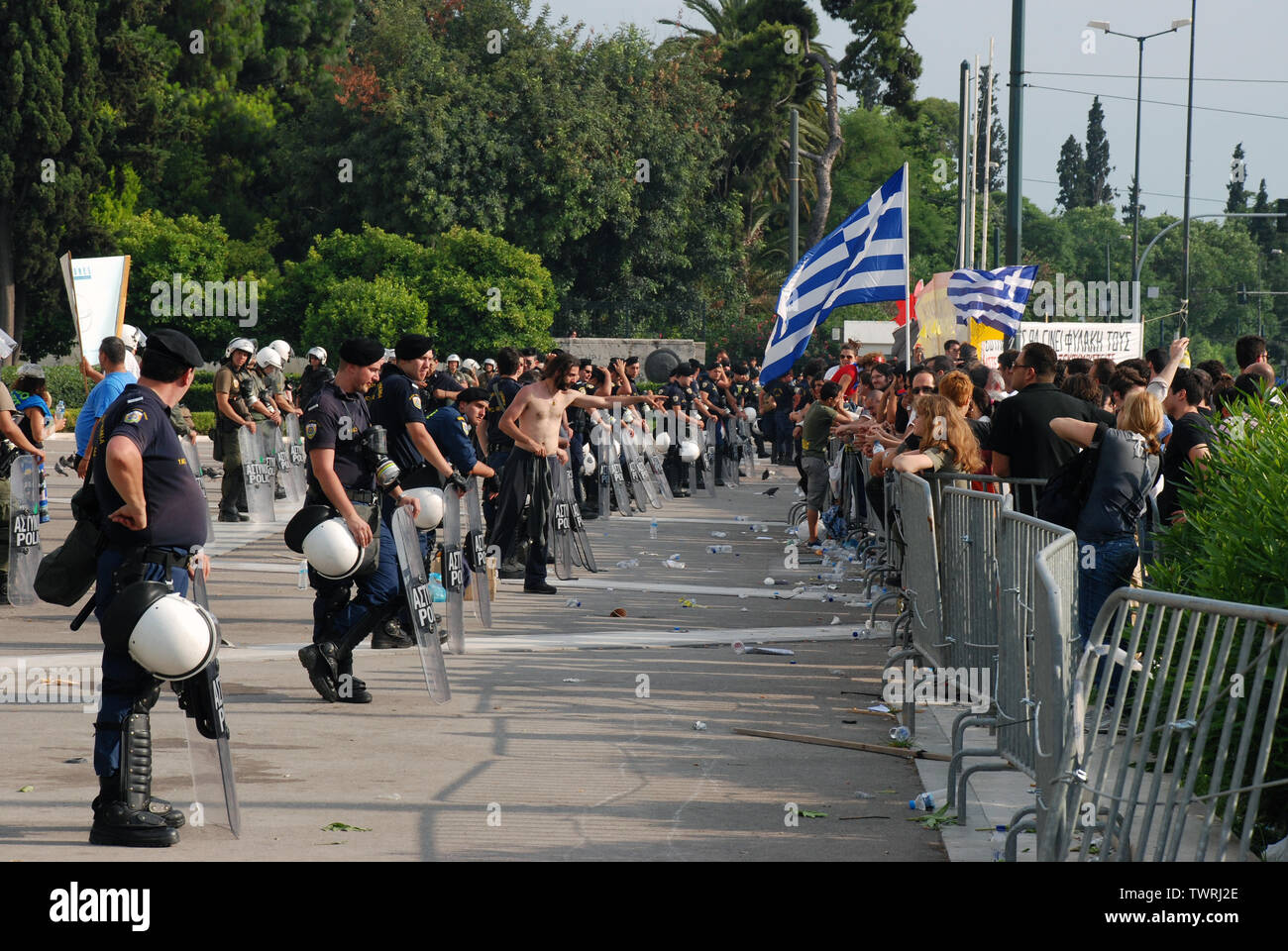
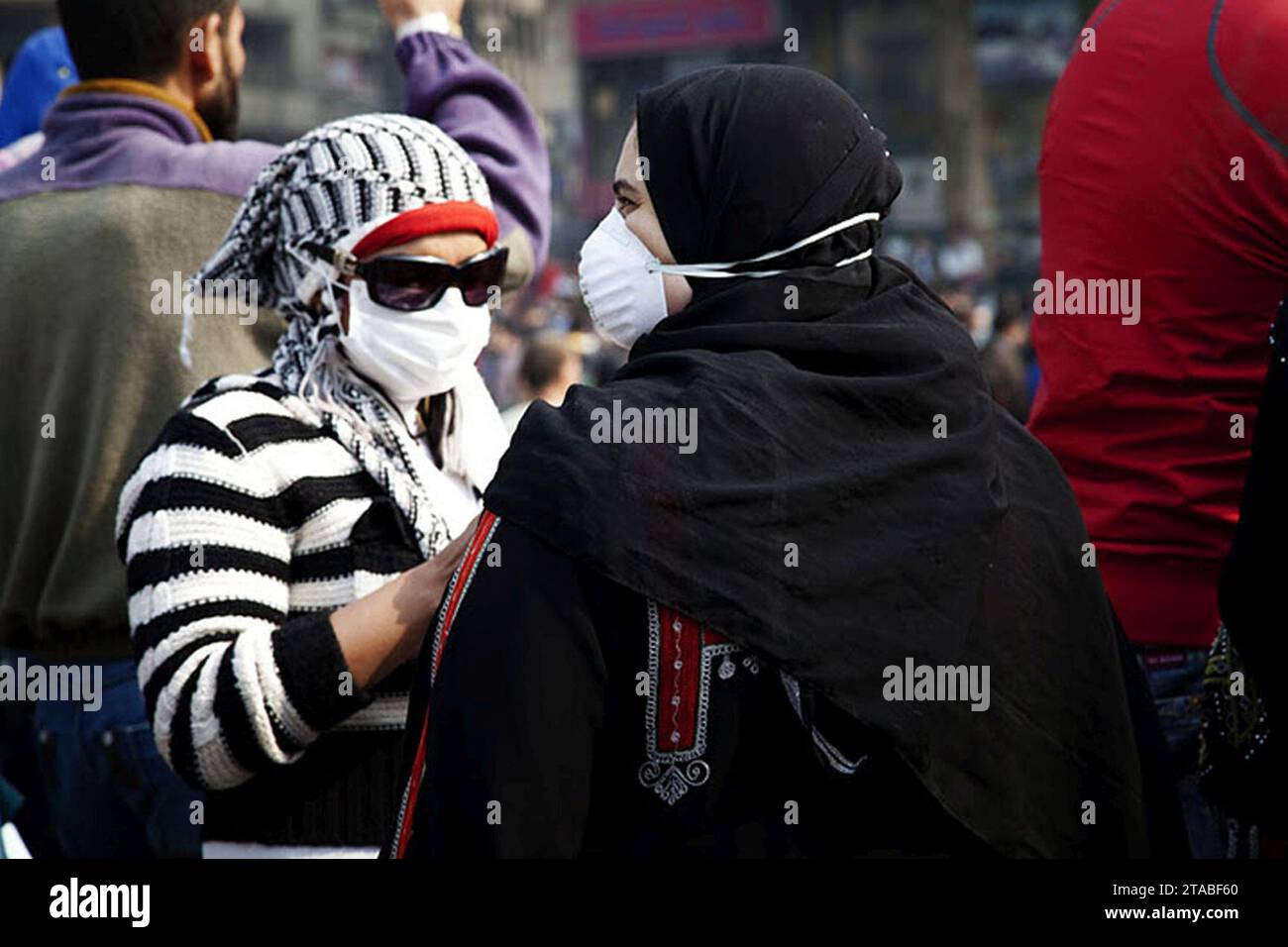
The 2011 protests represent a historically unprecedented wave of civil unrest, mass demonstrations, and political uprisings that swept across the Middle East, North Africa, Europe, and North America. Driven by socioeconomic grievances, systemic corruption, and demands for democratic reform, these movements transformed the global sociopolitical landscape through digital coordination and widespread public mobilization.
Understanding the Scope of the 2011 Protests
The calendar year 2011 witnessed a convergence of civil disobedience and revolutionary movements that fundamentally altered geopolitics and domestic policy frameworks worldwide. While the most visible epicenter of this phenomenon was the Arab Spring across the Middle East and North Africa, parallel movements materialized in Western democracies and financial capitals. Citizens disillusioned with economic austerity, wealth inequality, and political disenfranchisement took to the streets, public squares, and digital networks to voice their discontent.
To analyze these events comprehensively, historians and political scientists categorize the 2011 protests into distinct regional theaters. Each theater possessed unique local grievances, yet they shared common methodologies of mobilization, relying heavily on social media platforms, decentralized leadership structures, and nonviolent occupation tactics. Understanding these movements requires examining the underlying socioeconomic triggers, the technological catalysts that accelerated their spread, and the divergent outcomes that unfolded in the years that followed.
The Arab Spring: Epicenter of Upheaval
The Arab Spring began in late December 2010 in Tunisia and rapidly escalated throughout 2011, cascading across multiple authoritarian regimes in the Arab world. Decades of stagnant economies, high youth unemployment, restricted political freedoms, and systemic police brutality created a volatile environment.
Tunisia and the Spark of Revolution
The immediate catalyst for the 2011 protests occurred in the Tunisian town of Sidi Bouzid, where a street vendor named Mohamed Bouazizi self-immolated in protest against municipal harassment and the confiscation of his wares. This desperate act crystallized the frustrations of a generation facing economic marginalization. Widespread protests erupted across Tunisia, fueled by trade unions, marginalized youth, and professional associations. Unlike previous localized uprisings, the movement utilized social media to broadcast state crackdowns globally, undermining the regime's control of information. On January 14, 2011, longtime President Zine El Abidine Ben Ali was forced to step down and flee the country, triggering a domino effect across the region.
Egypt and the Tahrir Square Occupation
Inspired by events in Tunisia, Egyptian activists called for massive anti-government demonstrations on January 25, 2011, coinciding with National Police Day. Millions of citizens occupied Tahrir Square in Cairo, demanding the resignation of President Hosni Mubarak, who had ruled for nearly thirty years. The Egyptian uprising was characterized by its resilience against severe state violence, internet blackouts imposed by the government, and pro-regime counter-demonstrations. The occupation of Tahrir Square became a powerful international symbol of peaceful resistance. On February 11, 2011, Mubarak resigned, handing power over to the Supreme Council of the Armed Forces and setting the stage for a complex and protracted political transition.
Regional Ripple Effects: Libya, Syria, Bahrain, and Yemen
The momentum of 2011 rapidly expanded to other nations, yielding starkly different trajectories:
- Libya: What began as anti-regime protests in Benghazi quickly escalated into a civil war. Muammar Gaddafi's violent suppression of dissent prompted a United Nations-authorized military intervention led by NATO, culminating in the overthrow and death of Gaddafi in October 2011.
- Syria: Peaceful protests demanding democratic reforms began in March 2011. The regime of Bashar al-Assad responded with lethal force, plunging the country into a devastating multi-sided civil war that created a massive humanitarian crisis and refugee displacement.
- Bahrain: Protesters occupied the Pearl Roundabout in Manama, demanding greater political representation for the Shiite majority. The uprising was suppressed in March 2011 following the intervention of Gulf Cooperation Council troops led by Saudi Arabia.
- Yemen: Mass demonstrations called for the removal of President Ali Abdullah Saleh. Months of stalemate and violence led to a negotiated transition agreement brokered by the Gulf Cooperation Council, transferring power to Vice President Abdrabbuh Mansur Hadi.
Socioeconomic and Political Catalysts
The global nature of the 2011 protests indicates that disparate regions were reacting to shared structural pressures. While political repression drove the uprisings in authoritarian states, economic precarity served as a universal unifying factor.
| Region / Movement | Primary Grievances | Core Methods of Mobilization | Primary Outcome in 2011 |
|---|---|---|---|
| Tunisia / Egypt | Authoritarianism, corruption, unemployment | Social media, labor strikes, public square occupations | Overthrow of longtime ruling regimes |
| Libya / Syria | Severe state violence, lack of political freedom | Armed resistance, local coordination, defections | Escalation into prolonged civil conflict |
| Occupy Wall Street (US) | Economic inequality, corporate influence, debt | Permanent encampments, general assemblies | Shift in national political discourse |
| European Austerity Protests | Government spending cuts, high unemployment | Mass street marches, general strikes | Government turnover and policy resistance |
Global Economic Pressures and Inequality
The year 2011 followed closely on the heels of the 2008 global financial crisis. In many developing nations, a spike in international food and commodity prices—driven by speculation, climate factors, and export bans—pushed impoverished families to the brink. Basic staples like bread became unaffordable for millions. Concurrently, in Western nations, the aftermath of the financial crisis resulted in stagnant wages, soaring youth joblessness, and government-imposed austerity measures that slashed social safety nets while bailing out major financial institutions.
The Rise of Digital Activism
Technology played an unprecedented role in shaping the logistics and visibility of the 2011 protests. Platforms such as Facebook, Twitter, and YouTube enabled organizers to coordinate movements horizontally, bypassing state-controlled media monopolies. Digital tools allowed real-time documentation of human rights abuses, garnering immediate international solidarity and pressuring foreign governments to respond. However, scholars note that while digital tools accelerated mobilization, the sustained endurance of these movements depended on traditional physical networks, local communities, and trade unions.
Western Movements: Occupy Wall Street and European Austerity
Simultaneously, the spirit of 2011 manifested in Western democracies through movements challenging economic inequality and political governance.
Occupy Wall Street and Global Encampments
On September 17, 2011, activists initiated the Occupy Wall Street movement in Zuccotti Park, located in New York City's financial district. Using the slogan "We are the 99%," the movement drew attention to income inequality, the disproportionate political influence of the financial sector, and student debt burdens. The tactic of establishing permanent encampments rapidly spread to hundreds of cities worldwide. While the camps were eventually cleared by law enforcement authorities by late 2011, the movement successfully shifted public discourse, placing economic inequality at the center of political debate.
European Anti-Austerity Protests
Across Europe, particularly in nations hit hardest by the Eurozone debt crisis such as Greece, Spain, and Portugal, citizens took to the streets to protest severe fiscal austerity imposed by international lenders and national governments. The Indignados movement in Spain organized massive public square occupations, demanding "real democracy now" and criticizing the political establishment's handling of the economic downturn. These demonstrations frequently led to general strikes and contributed to significant political realignment in subsequent electoral cycles.
Long-Term Legacy and Historical Assessment
Fifteen years after the events of 2011, the legacy of this global wave of protests remains complex, contested, and deeply uneven. The outcomes demonstrated that while mass mobilization can successfully dismantle entrenched authoritarian regimes or disrupt status-quo economic policies, building stable, democratic, and equitable institutions presents a formidable challenge.
In regions like North Africa, the transition from autocracy yielded mixed results. Tunisia experienced a fragile democratic experiment before facing subsequent political consolidations, whereas other nations slipped into renewed authoritarianism or protracted civil war. In the West, the conversations initiated by the Occupy movement laid intellectual groundwork for subsequent policy debates regarding taxation, labor rights, and corporate accountability. Ultimately, the 2011 protests demonstrated the potent capacity of collective civil action to challenge power structures on a global scale.
Frequently Asked Questions
What caused the 2011 protests?
The 2011 protests were caused by a combination of high youth unemployment, rising food prices, systemic government corruption, severe economic inequality, and a lack of political freedoms. While Middle Eastern uprisings targeted authoritarian regimes, Western protests focused on corporate greed, wealth disparity, and government austerity measures.
How did social media influence the 2011 protests?
Social media platforms such as Twitter and Facebook served as crucial logistical tools for organizers, allowing them to coordinate demonstrations, share real-time updates, and document state crackdowns. This digital infrastructure made it difficult for governments to suppress information or control the narrative.
What was the Occupy Wall Street movement?
Occupy Wall Street was a leftist protest movement that began in Zuccotti Park in New York City in September 2011. It focused on economic inequality and the influence of the financial sector on government policy, popularizing the phrase "We are the 99%" and inspiring similar encampments globally.
Which countries experienced regime changes during the Arab Spring in 2011?
Four major authoritarian leaders were removed from power during the 2011 Arab Spring: Zine El Abidine Ben Ali in Tunisia, Hosni Mubarak in Egypt, Muammar Gaddafi in Libya, and Ali Abdullah Saleh in Yemen.
Did the 2011 protests achieve their long-term goals?
The long-term results were mixed. While some movements successfully unseated entrenched dictators or shifted national political agendas, many regions subsequently experienced political instability, civil conflict, or a return to authoritarian governance due to the absence of robust institutional frameworks.
Practical Next Steps for Historical Research
For researchers, journalists, and students examining the events of 2011, primary source archives offer the most reliable foundation for detailed study. Consult digitized collections of contemporary media reporting, human rights documentation from organizations such as Amnesty International and Human Rights Watch, and academic analyses focusing on transitional justice and digital sociology. Examining these verified records provides an objective understanding of how these historic movements evolved and impacted modern governance.