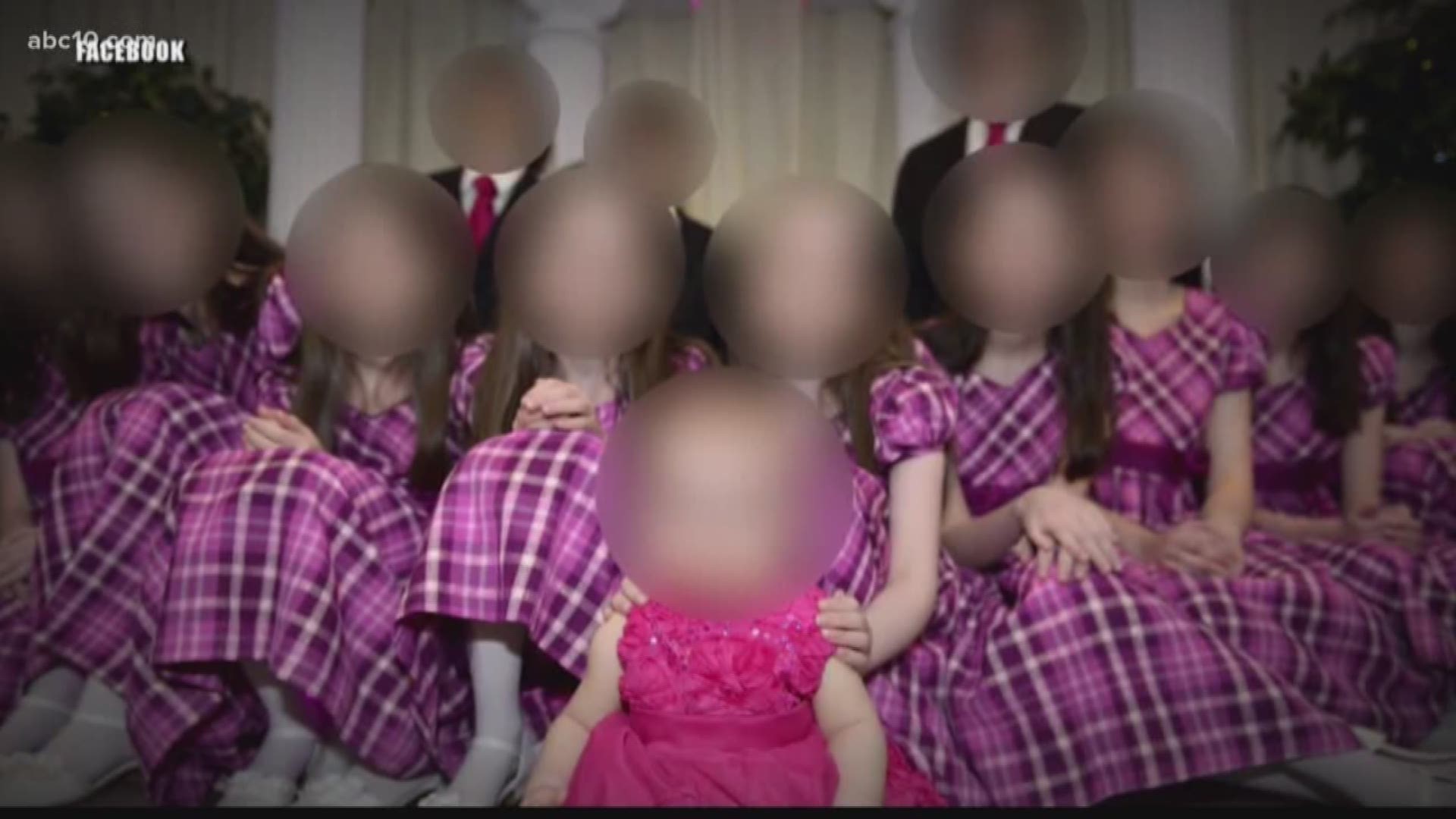
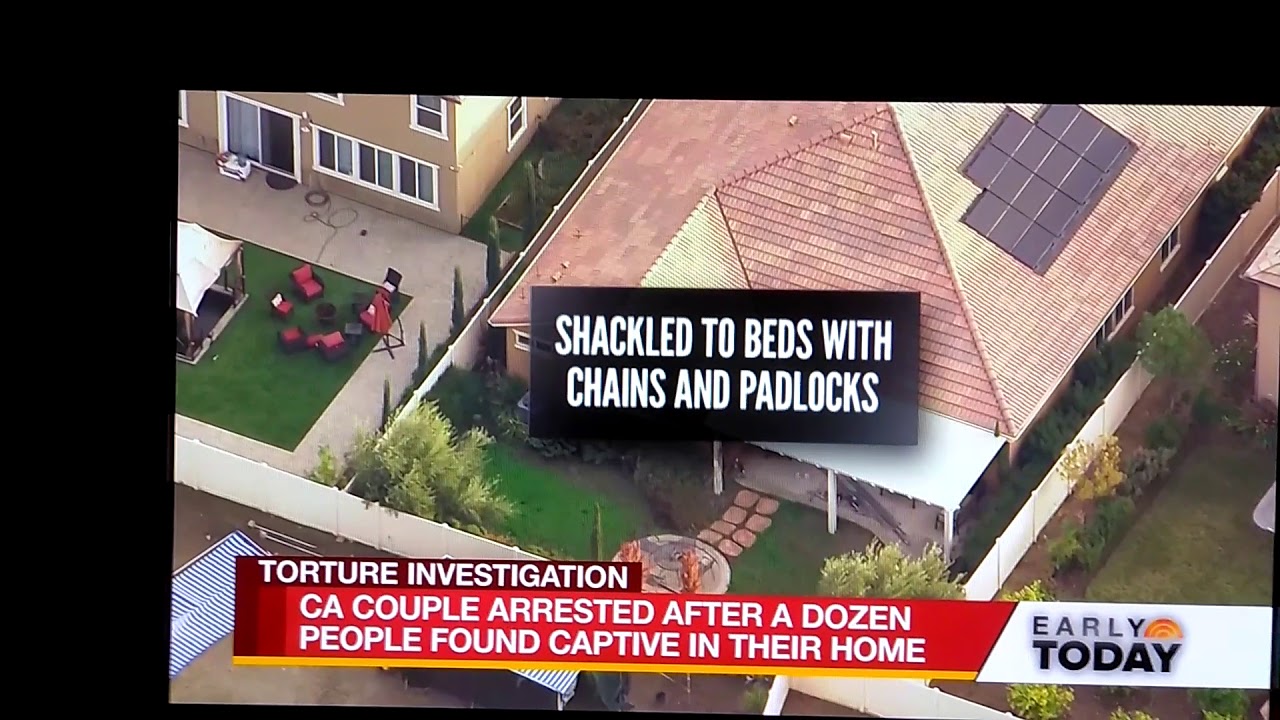
The harrowing rescue of 13 children held captive by their parents, David and Louise Turpin, in Perris, California, unfolded in January 2018. It exposed years of severe abuse, neglect, and imprisonment. The ordeal came to light after a 17-year-old daughter escaped through a window and called 911, prompting a police intervention that shocked the global community and triggered deep scrutiny of child welfare and homeschooling oversight.
The Discovery and the 911 Call
The events leading up to the rescue culminated on the morning of January 14, 2018. One of the Turpin children, a 17-year-old girl, managed to execute an escape plan she and her siblings had devised over a period of years. Using a deactivated mobile phone she found in the house, she climbed out of a window in the home on Muir Woods Road in Perris, California, and placed a call to emergency dispatchers.
The details provided during the 911 call painted a horrifying picture of daily life inside the household. The teenager informed the dispatcher that she and her 12 siblings—ranging in age from 2 to 29 years old—were held captive by their parents. She reported that some of her siblings were shackled to their beds with chains and padlocks as a form of punishment, that the children were severely malnourished, and that the home was plagued by filth and foul odors.
When Riverside County Sheriff's deputies arrived at the residence, they initially believed they were responding to a domestic dispute or a missing person report. However, upon entering the home, law enforcement officers encountered a dark, foul-smelling environment. They discovered two children still shackled to their furniture. The sheer scale of the neglect immediately elevated the response, leading to the apprehension of David and Louise Turpin without incident and the emergency medical evacuation of all 13 victims.
Inside the Turpin Household: Conditions of Captivity
To understand the magnitude of the rescue, investigators had to piece together the decade-long isolation and abuse the children endured. The Turpin family had moved multiple times, living in Texas before relocating to Rio Vista, California, and eventually settling in Perris in 2011. In each location, the parents successfully isolated the children from extended family, neighbors, and the outside world.
Life inside the Perris home was governed by strict, bizarre, and abusive rules enforced by David and Louise Turpin. Investigators and subsequent court testimonies revealed a pattern of systematic deprivation:
- Malnutrition and Food Control: The children were typically fed only once a day, usually consisting of a peanut butter sandwich, a frozen burrito, or a small portion of chips. The parents, however, frequently bought abundant amounts of food—including pies, fast food, and groceries—and stored it in the home where the children could see it but were forbidden to eat it.
- Hygiene and Sanitation: The children were prohibited from taking regular showers. For extended periods, they were allowed to bathe only once or twice a year. As the children grew older, the home descended into squalor, with animal waste, trash, and rotting food piling up in the rooms.
- Lack of Medical and Dental Care: None of the children had seen a doctor or a dentist in years, despite suffering from untreated medical conditions, extreme thinness, and developmental delays.
- Strict Sleep and Activity Schedules: The children were forced to stay awake through the night, often sleeping from around 4:00 AM or 5:00 AM until noon or later. They spent the majority of their waking hours locked in their rooms, chained, or sitting in silence.
Educational Facade and Legal Gray Areas
Public records revealed that David Turpin, an engineer who had worked for aerospace defense contractors like Lockheed Martin and Northrop Grumman, registered their residence as a private school—the Sandcastle Day School—with the California Department of Education. This maneuver allowed the Turpins to bypass mandatory truancy checks and oversight by local public school districts.
In homeschooling and private school filings in California, parents enjoyed a high degree of autonomy during that period, with minimal routine inspections by educational authorities. The Turpins used this system as a legal shield. Although the children possessed notebooks and workbooks, their education was severely stunted. Older children retained only rudimentary reading and writing skills, and their general knowledge of the outside world was almost nonexistent.
Neighbors and community members reported seeing the family extremely rarely. When the children were visible outside—such as during rare family trips to Las Vegas or Disneyland—they walked in rigid, coordinated lines, wearing matching outfits, and were instructed never to speak to outsiders.
Timeline of Events: From Rescue to Legal Resolution
The aftermath of the rescue involved complex legal proceedings, medical rehabilitation, and government investigations into systemic oversight failures.
| Date / Phase | Event / Action | Key Details |
|---|---|---|
| January 14, 2018 | Escape and 911 Call | A 17-year-old daughter escapes the Perris home and contacts emergency services. |
| January 14–15, 2018 | Law Enforcement Entry | Deputies discover 13 children, some chained to beds, living in severe squalor. David and Louise Turpin are arrested. |
| February 2018 | Formal Arraignment | The Turpins plead not guilty to dozens of felony charges, including torture, child abuse, and false imprisonment. |
| February 2019 | Guilty Pleas | David and Louise Turpin change their pleas to guilty on all 14 felony counts, avoiding a trial. |
| April 2019 | Sentencing | Both parents are sentenced to life imprisonment with the possibility of parole after 25 years. |
| Post-2019 to Present | Rehabilitation and Care | The children receive extensive medical, psychological, and educational support through county and state social services. |
Legal Consequences and Sentencing
In February 2019, David and Louise Turpin stood before a Riverside County Superior Court judge and entered guilty pleas to 14 felony counts each, which included torture, cruelty to a child, dependent adult abuse, and false imprisonment.
During the April 2019 sentencing hearing, several of the children addressed the court directly, offering glimpses of their resilience and the emotional scars left by their captivity. Judge Bernard Schwartz condemned the parents' actions as depraved and sentenced both David and Louise Turpin to consecutive terms of 25 years to life in prison. Under California law, they will not be eligible for parole until they have served a minimum of 25 years.
Systemic Failures and Child Welfare Reforms
The revelation of the Turpin case sparked widespread outrage across California and the United States, raising difficult questions about how such extensive abuse could go undetected for decades. Social services agencies, local law enforcement, and educational regulators faced intense scrutiny.
Key systemic vulnerabilities highlighted by the case included:
- Gaps in Private School Oversight: California law did not require regular inspections or curriculum verification for private home-based schools, making it easy for abusive parents to use education as a cover for isolation.
- Lack of Inter-Agency Communication: School districts, social welfare departments, and medical providers rarely shared data or cross-referenced truancy flags for children who were nominally enrolled in private institutions.
- Community Vigilance: While neighbors reported strange behavior, the suburban setting and the parents' outward presentation of a normal, quiet family discouraged active intervention or reporting.
In response, state legislators and child advocacy groups proposed various reforms aimed at increasing accountability for private schools and enhancing training for social workers and law enforcement personnel regarding signs of severe isolation and abuse. However, debates persisted regarding the balance between parental rights in education and the state's duty to protect vulnerable minors.
Recovery and Challenges Facing the Victims
Following their rescue, the 13 children—who ranged from young children to adults at the time of the intervention—were placed into the care of Riverside County social services, divided among foster care facilities and specialized medical institutions. Because they had been isolated for so long, transitioning to normal society presented profound challenges.
Medical professionals and social workers noted that the victims required extensive physical therapy to overcome the effects of malnutrition, muscle atrophy, and lack of sunlight. Psychologically, they faced complex trauma, post-traumatic stress disorder (PTSD), and the daunting task of learning basic life skills, such as using money, navigating public spaces, and pursuing education or employment.
Despite these hurdles, public updates provided by legal advocates and supporters indicated that many of the adult siblings made significant strides in their education, independent living, and emotional recovery, supported by private donations and dedicated social service networks.
Frequently Asked Questions
How did the authorities first find out about the Turpin household?
Authorities were alerted when a 17-year-old daughter escaped from the family home in Perris, California, using a deactivated mobile phone to call 911. She provided dispatchers with detailed information about her siblings being held captive, chained to beds, and subjected to severe neglect and physical abuse.
What were David and Louise Turpin convicted of?
Both parents pleaded guilty in 2019 to 14 felony counts, which included torture, child abuse, dependent adult abuse, and false imprisonment. They were subsequently sentenced to life in prison with the possibility of parole after serving 25 years.
How were the Turpins able to hide the abuse for so long?
The family moved frequently between Texas and California, systematically isolating the children from extended family, neighbors, and medical professionals. Additionally, the parents registered their home as a private school, which allowed them to avoid routine truancy investigations and public school oversight.
What happened to the children after they were rescued?
The children, who included both minors and adults at the time of the rescue, were placed in the care of Riverside County social services. They received extensive medical treatment, nutritional rehabilitation, and psychological counseling to help them cope with trauma and integrate into society.
Did the case lead to changes in California laws?
The case triggered intense public debate and scrutiny regarding oversight of private and homeschooling arrangements in California. While various legislative proposals were discussed to increase accountability and reporting requirements, the case primarily served as a stark warning about the limitations of existing child welfare and educational monitoring systems.
Next Actions and Support Resources
If you suspect that a child is being abused, neglected, or held against their will, immediate intervention can save a life. You do not need to prove abuse to report your concerns; child protective services and law enforcement agencies are trained to investigate safely and confidentially.
- In the United States: Contact the Childhelp National Child Abuse Hotline at 1-800-422-4453, available 24/7, or call 911 in an emergency.
- International: Contact your local emergency services or national child protection agency immediately.