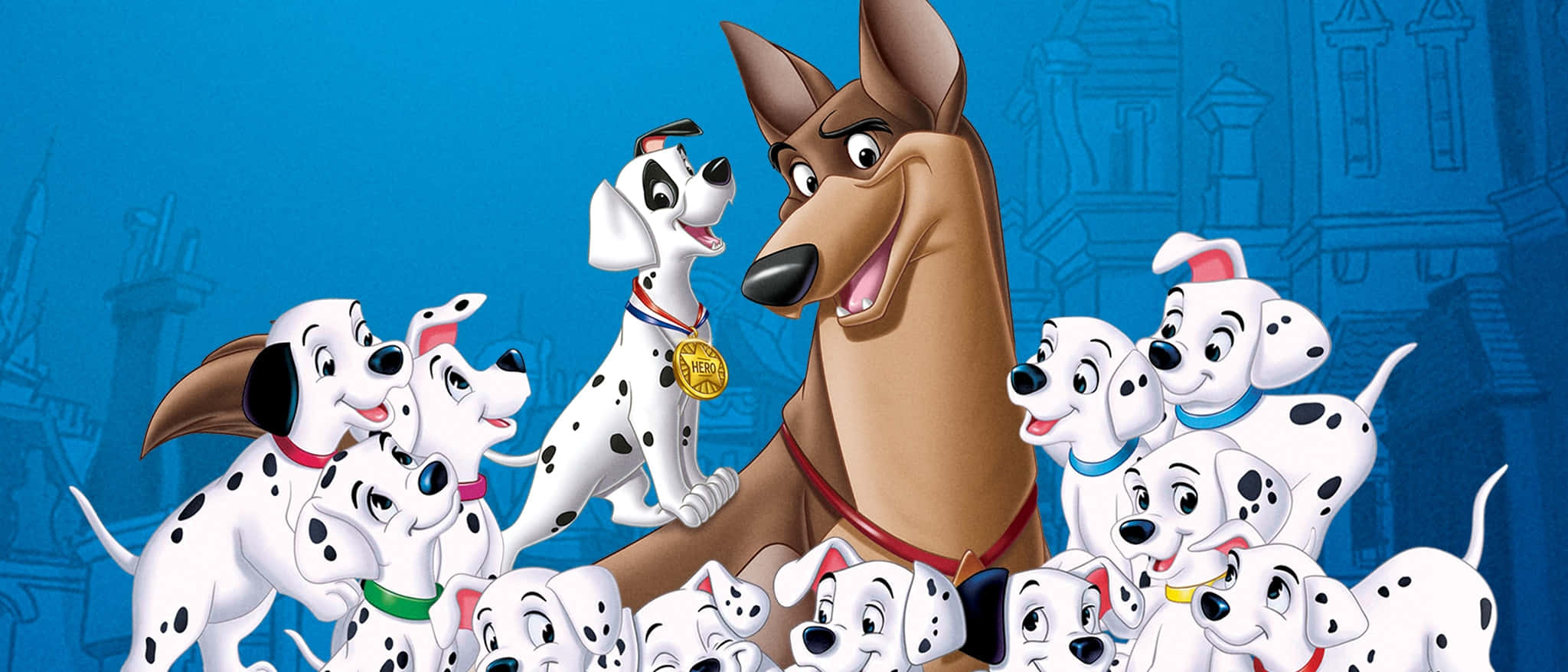
101 Dalmatians refers to the enduring franchise centered on the kidnapping of a litter of Dalmatian puppies by the antagonist Cruella de Vil, originating from Dodie Smith's 1956 novel and popularized through various Disney film adaptations. Whether navigating the animated classics, the live-action reimaginings, or the character-driven origin stories, the franchise serves as a landmark study in character design, narrative tropes, and the evolution of film technology over several decades.
Literary Origins and the Genesis of a Classic
The story began with the 1956 novel The Hundred and One Dalmatians, written by British author Dodie Smith. Smith, herself an owner of Dalmatians, crafted a narrative that combined elements of traditional fairy tales with the modern setting of 1950s London. The core conflict—the abduction of puppies for the sake of creating a fur coat—introduced one of literature's most iconic villains, Cruella de Vil. Her depiction, characterized by a predatory obsession with status and material wealth, provided a sharp contrast to the domestic warmth represented by the Pongo and Missis households.
When Walt Disney Productions acquired the rights to the property, the focus shifted from a direct literary translation to an experimental animation project. The 1961 animated film One Hundred and One Dalmatians was revolutionary for the studio. It was the first Disney feature to utilize the Xerox process, a technical innovation that allowed for the direct transfer of animator drawings onto animation cels. This was not merely a cost-saving measure; it provided the film with a scratchy, energetic aesthetic that perfectly suited the urban London backdrop and the intricate patterns of one hundred and one individual puppies.
The Evolution of the Franchise Across Media
The franchise has undergone significant transformations since its inception. By analyzing the various iterations, viewers can understand how modern storytelling techniques have adapted the original premise for different generations.
The Animated Foundation (1961)
The 1961 film established the visual language for the entire franchise. By focusing on the "personality animation" of the dogs, Disney set a precedent for animal-centric narratives. The technical constraints of the time—specifically the difficulty of animating spots on over a hundred characters—led to the adoption of a more stylized, graphic art direction. This look remains the definitive visual identity of the brand.
Live-Action Reinterpretations (1996 and 2000)
In 1996, the release of the live-action 101 Dalmatians marked a major shift. Starring Glenn Close as Cruella de Vil, this version leaned into the campy, high-fashion aesthetic of the villain. The film proved that the story's charm could translate into the live-action realm, provided the physical comedy and the interplay between the animals and the human cast were executed with high precision. The sequel, 102 Dalmatians (2000), attempted to push the narrative further by focusing on the redemption of Cruella, though it maintained the slapstick comedy style established by its predecessor.
Modern Character Origins: Cruella (2021)
The most recent significant addition to the franchise is the 2021 film Cruella. This movie serves as a prequel, recontextualizing the villain as an aspiring fashion designer in 1970s London. It represents a pivot toward anti-hero storytelling, focusing on character motivation rather than the traditional "hero versus villain" dichotomy. It demonstrates how a legacy intellectual property can be expanded by exploring the backstory of its most polarizing figure.
Key Differences Between Adaptations
Understanding the core differences between these versions helps in determining which aspect of the franchise aligns with a viewer’s interests.
| Feature | 1961 Animated | 1996 Live-Action | 2021 Cruella |
|---|---|---|---|
| Primary Genre | Classic Animation | Family Comedy | Origin Story / Drama |
| Tone | Whimsical / Adventurous | Slapstick / Satirical | Gritty / Fashion-Forward |
| Puppy Focus | Central to the Plot | Secondary to Villain | Minimal |
| Technique | Hand-Drawn / Xerox | Practical Effects / CGI | Live-Action / Elaborate Sets |
Production Technicalities: The Challenge of Spots
From a technical standpoint, the 101 Dalmatians franchise poses unique challenges for production crews. In the original 1961 animation, the "spot problem" was solved through the xerography technique, which allowed animators to maintain consistent character designs across hundreds of shots without the prohibitive cost of traditional ink and paint.
In modern live-action adaptations, the challenge shifted from manual drawing to the logistics of working with real dogs. The 1996 production required a massive team of animal trainers and the use of over 200 Dalmatian puppies throughout the filming process. Because puppies grow quickly, the production had to cycle through different dogs while maintaining the visual continuity of the characters. Furthermore, the use of computer-generated imagery (CGI) was reserved primarily for scenes involving complex interactions between the animals and the environment, ensuring that the primary "acting" remained grounded in reality.
Themes and Narrative Tropes
The franchise relies heavily on the trope of the "cozy mystery," where the stakes—while serious—are resolved through the collective efforts of an unlikely group of heroes. The dogs utilize a communication network known as the "Twilight Bark," a clever narrative device that allows the animals to organize themselves across the English countryside.
This thematic emphasis on teamwork and parental devotion (Pongo and Perdita’s search for their children) serves as the emotional bedrock of the story. In every iteration, the strength of the familial bond between the dogs is contrasted against the isolation and transactional nature of Cruella de Vil. Whether in 1961, 1996, or 2021, the narrative consistently argues that the inherent goodness of the "underdogs" will eventually triumph over the singular, narcissistic ambition of the antagonist.
Critical Considerations and Cultural Legacy
The 101 Dalmatians franchise has significantly influenced pet ownership trends and the public perception of the Dalmatian breed. Historically, peaks in the popularity of the films have corresponded with surges in the purchase of Dalmatian puppies. Experts and breed organizations often highlight the importance of understanding the specific needs of this breed, as they are high-energy, intelligent, and require significant socialization. Prospective owners are encouraged to research the breed beyond its cinematic representation, noting that the "screen image" of a calm, heroic pet does not always mirror the realities of daily care for an active, working-class dog.
Furthermore, the franchise serves as a case study for intellectual property management. By allowing the story to be reimagined through animation, live-action, and origin-focused drama, the IP remains relevant to multiple generations. The transition from a simple kidnapping plot to a complex study of a fashion mogul’s psyche illustrates how legacy brands successfully navigate shifting cultural expectations regarding narrative depth and character complexity.
Frequently Asked Questions
Why is the 1961 version considered a technical milestone?
The 1961 film was the first to use the Xerox process in animation. This technique transferred the animators' original graphite sketches directly onto cels, skipping the expensive and time-consuming hand-inking stage. This allowed for the creation of intricate Dalmatian spots that would have otherwise been impossible to render manually for over a hundred characters.
How did the production manage real puppies in the 1996 film?
The production team utilized a professional animal training department. Because puppies grow and change appearance within weeks, the production maintained a constant rotation of puppies, ensuring that the characters remained consistent on screen. Trainers relied on positive reinforcement to achieve specific behaviors, supplemented by digital touch-ups where necessary to ensure safety and continuity.
Are there significant differences between the novel and the movies?
Yes. The original Dodie Smith novel features a slightly different cast of characters and a more whimsical tone, characteristic of British children's literature of the era. The Disney adaptations streamlined the plot to focus heavily on the confrontation between the Dalmatians and Cruella, emphasizing the action-adventure elements over the domestic character interactions found in the source material.
What is the "Twilight Bark" in the story?
The Twilight Bark is a communication system used by the animals in the story. It functions as a relay network where dogs across London and the surrounding countryside pass information through a series of barks. This device serves as the primary method for Pongo and Perdita to spread the word about their missing puppies, highlighting the theme of community cooperation.
What should prospective owners know before getting a Dalmatian?
While popularized by the films, Dalmatians are a high-energy working breed. They require rigorous physical exercise, consistent training, and socialization. Unlike the often-docile portrayals in film, real Dalmatians can be strong-willed and demand an active lifestyle. Potential owners should consult with reputable breed registries to understand the specific health and behavioral needs of the breed.
Recommendation for Further Engagement
For those interested in the artistic evolution of the story, starting with the 1961 animated classic is essential to understand the visual foundation of the characters. Following this, the 2021 film Cruella provides a fascinating contemporary analysis of the franchise’s most famous villain. Engaging with both versions offers a complete perspective on how classic narratives are adapted for changing audiences while maintaining the core appeal of the original source material.